24X7 Hours
4th floor, Siddhi Vinayak Plaza, opposite Nirant Cross Road Metro Station, Vastral, Ahmedabad, Gujarat 382418
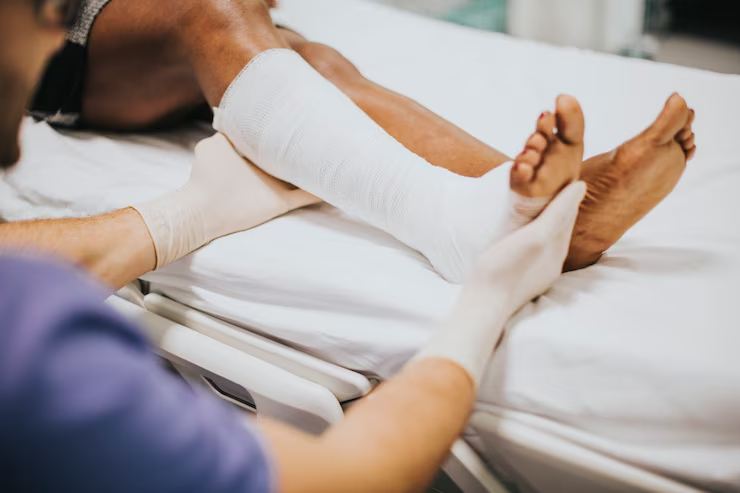
Bone fractures are among the most common injuries and can occur at any age. They often result from accidents, falls, or sports injuries. Individuals over the age of 50, or those with a family history of osteoporosis, are advised to get a bone density test to assess their risk.
A bone fracture is a medical term used to describe a break or crack in a bone.
These injuries usually happen due to sudden trauma, such as:
Some fractures may require surgery, while others can be treated with a splint, cast, brace, or sling. Recovery time depends on the location and severity of the fracture.
There is no difference between a bone fracture and a break both mean the same thing.
“Fracture” is the medical term used by doctors to describe a broken bone.
Although both are painful and often caused by accidents or falls, there is a key difference:
Feature | Bone Fracture | Bone Bruise |
Damage | A break or crack in the bone | Internal bleeding inside the bone tissue |
Severity | More severe | Less severe, but still painful |
Treatment | May require immobilization or surgery | Rest, ice, and monitoring |
A bone bruise happens when a strong force hits the bone, causing bleeding under its surface without breaking it. If you feel deep pain after an impact, it’s essential to get the area examined.
You can suffer both a sprain and a fracture in the same injury especially in joints like the knee or elbow.
Bone fractures can occur in many forms, and healthcare providers classify them based on factors like shape, cause, and location. Identifying the type of fracture helps guide the right treatment and healing approach.
These fractures are classified based on how the bone breaks either in a straight line or in a more complex shape.
These fractures are categorized based on how the injury happened.
Fractures are also named according to the part of the body where they occur. Many of these types can overlap with the above fracture patterns.
These types may involve complications like delayed healing or nonunion:
Fractures are commonly categorized as open or closed:
Fractures are also described by the alignment of broken bone parts:
Bone fractures can happen to anyone, at any age.
They’re most commonly caused by:
However, individuals with weakened bones, especially due to osteoporosis, are at a significantly higher risk even without a major trauma.
Osteoporosis is a condition where bones become thin, weak, and fragile. It increases the chances of sudden and unexpected fractures especially in the hips, spine, and wrists.
Key facts:
Bone fractures are extremely common affecting millions of people every year across the globe.
They can range from mild hairline cracks to severe compound injuries requiring surgery.
If you experience any of the following signs after an injury, you may have a fracture:
Most bone fractures occur due to trauma, such as:
But not all fractures happen from a single impact. Some are caused by repetitive stress or overuse, such as:
These lead to stress fractures, especially in the lower legs, wrists, or hands.
Osteoporosis further increases fracture risk — contributing to over 1 million fractures annually.
Bone fractures are typically diagnosed through a combination of physical examination and imaging tests. In emergency situations, especially after trauma, a hospital team will first stabilize the patient, then proceed to confirm fractures through imaging.
Treatment depends on:
For mild or non-displaced fractures:
Used for more severe, misaligned fractures:
Potential risks include:
Post-surgery pain is typically managed with medications prescribed by your surgeon.
Over-the-counter NSAIDs (e.g., ibuprofen, aspirin) may cause complications such as:
Always consult your provider before taking any medication after a fracture.
Bone healing varies depending on:
Severe fractures or those requiring surgery may take longer. Patients should follow up regularly with their doctor and report persistent or increasing pain immediately
Reduce your risk of fractures by following these tips:
Most fractures heal completely with the right treatment and care. However, some may have lasting effects if accompanied by other injuries.
Always consult your surgeon before returning to sports or heavy physical activity.
Seek immediate medical help if you experience:
Fractures themselves don’t cause fevers.
But if the area becomes warm, swollen, or painful, especially with fever, it may indicate infection. Visit the ER immediately.
While bone fractures are common, they can still feel overwhelming and stressful. If you’ve experienced a fracture, speak with your doctor or surgeon to understand your healing process. The good news is that most people recover fully and regain their normal routines without long-term complications.
Remember, recovery takes time. It might feel slow or frustrating, but allowing your body to heal properly is the safest way to prevent reinjury and ensure strong, lasting results.
Whether you’re dealing with a sudden injury or a chronic condition, Dr. Nirmal and his expert team are here to support you every step of the way from diagnosis and treatment to full recovery and beyond.
Shreedhar Ortho Hospital, 4th floor, Siddhi Vinayak Plaza, opposite Nirant Cross Road Metro Station, Vastral, Ahmedabad, Gujarat 382418
Shreedhar Ortho Hospital is the best choice for Trauma and Orthopaedic care in Ahmedabad. With modern facilities, expert doctors, 24×7 support, and full Mediclaim assistance, we deliver care that exceeds expectations.

Morning: 09:30AM – 12:30PM
Evening: 04:00PM – 07:00PM
Emergency Services 24x7 Hours

4th floor, Siddhi Vinayak Plaza, opposite Nirant Cross Road Metro Station, Vastral, Ahmedabad, Gujarat 382418
© 2025 Shreedhar Ortho Hospital. All rights reserved.