24X7 Hours
4th floor, Siddhi Vinayak Plaza, opposite Nirant Cross Road Metro Station, Vastral, Ahmedabad, Gujarat 382418
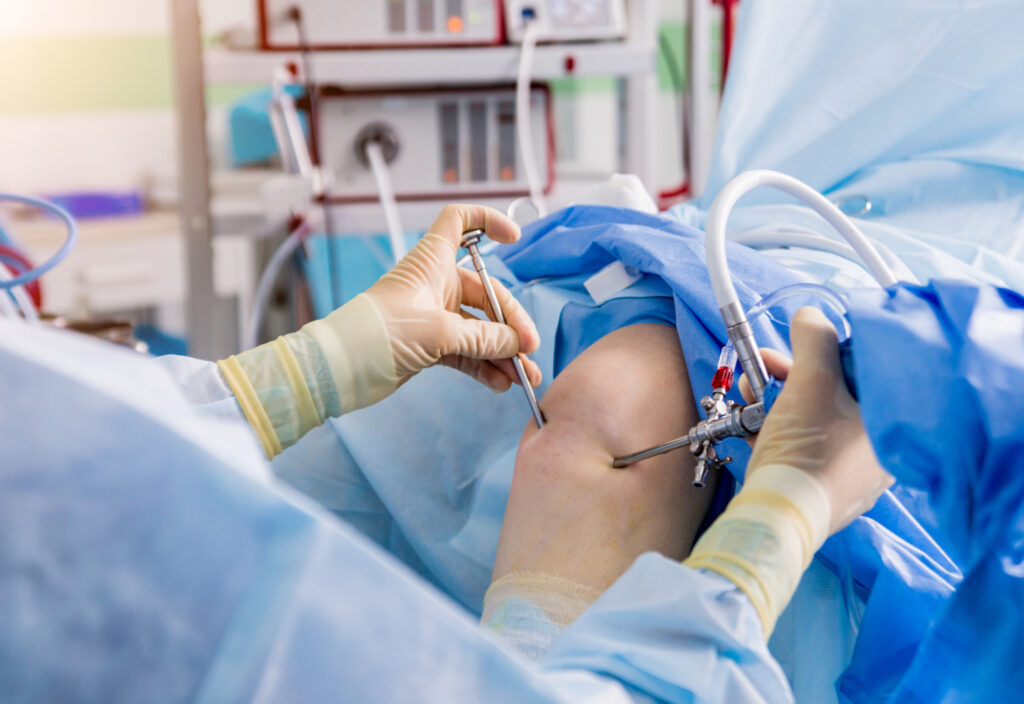
Orthopedic surgeons use arthroscopy to look inside joints without making large cuts. This minimally invasive technique involves small incisions and helps diagnose and treat a wide range of joint-related issues. Conditions like arthritis, rotator cuff tears, carpal tunnel syndrome, ACL injuries, PCL injuries, and Meniscus injuries can be effectively addressed using arthroscopy. Different joints and ligaments may require different arthroscopic approaches based on the specific condition.
Orthopedic surgeons are the specialists who perform arthroscopic procedures. They are highly trained in treating disorders of the musculoskeletal system, including bones, joints, ligaments, tendons, and muscles.
Different parts of the body may need specialized arthroscopy. Common types include:
Each type is designed for the specific joint structure and type of injury or condition being treated.
Surgeons use arthroscopy to diagnose and treat:
The real-time images from the arthroscope help guide precise treatment, often without needing major surgery.
This approach leads to faster recovery, minimal scarring, and reduced complications compared to traditional open surgery.
Your doctor may advise an arthroscopic procedure if you’ve experienced damage to important joint structures like the meniscus, cartilage, tendons, or ligaments.
Arthroscopy is typically considered when non-surgical methods fail to relieve joint pain or mobility issues.
These conservative treatments may include:
If these approaches don’t provide long-term relief, arthroscopy may offer a more effective solution
Your healthcare provider will share specific pre-operative instructions, which are important to follow. In general, you should:
These steps help reduce risk and ensure your procedure goes smoothly
Arthroscopy is most often performed as a day-care (outpatient) surgery, so you can go home the same day. Since anesthesia is typically used, you’ll need someone to accompany you, drive you home, and stay with you during recovery for the first 24 hours.
The steps involved may vary based on your joint condition, but here’s how a typical arthroscopy is performed:
The entire surgery usually takes about one hour, though complex cases may take slightly longer.
Most patients are able to return home just a few hours after the procedure. Your surgeon will provide personalized instructions for recovery. Common post-operative guidelines include:
Follow-up visits will help your provider monitor healing and decide when you can resume normal activities.
Arthroscopy is known for its minimally invasive approach and quicker recovery time. Compared to traditional open surgery, arthroscopy offers several advantages:
These benefits make it a preferred choice for diagnosing and treating joint conditions with less disruption to your daily life.
Although arthroscopy is considered a safe procedure, like all surgeries, it carries some potential risks. These may include:
Your surgeon will take necessary precautions to minimize risks and will guide you through safe recovery practices.
Once the arthroscopy is complete, your doctor will discuss the initial findings and any treatments performed during the procedure. This conversation usually happens on the same day, before you’re discharged.
Although arthroscopy allows for a quicker recovery compared to traditional open surgery, complete healing can still take several weeks or even months, depending on the joint treated and the procedure performed.
You may be able to return to light work or daily activities within a few days. Your healthcare provider might also recommend physical therapy (PT) to support the recovery process. PT helps improve joint function, strengthen nearby muscles, and reduce the risk of reinjury.
Arthroscopy is a safe and effective method for evaluating and treating joint and ligament conditions using minimally invasive techniques. These procedures promote faster healing, less pain, and minimal scarring, making them a preferred choice in modern orthopaedic care.
At Shreedhar Ortho Hospital, Dr. Nirmal & his team are dedicated to providing compassionate, personalized treatment and long-term recovery guidance for every patient.
Shreedhar Ortho Hospital, 4th floor, Siddhi Vinayak Plaza, opposite Nirant Cross Road Metro Station, Vastral, Ahmedabad, Gujarat 382418
Shreedhar Ortho Hospital is the best choice for Trauma and Orthopaedic care in Ahmedabad. With modern facilities, expert doctors, 24×7 support, and full Mediclaim assistance, we deliver care that exceeds expectations.

Morning: 09:30AM – 12:30PM
Evening: 04:00PM – 07:00PM
Emergency Services 24x7 Hours

4th floor, Siddhi Vinayak Plaza, opposite Nirant Cross Road Metro Station, Vastral, Ahmedabad, Gujarat 382418
© 2025 Shreedhar Ortho Hospital. All rights reserved.