24X7 Hours
4th floor, Siddhi Vinayak Plaza, opposite Nirant Cross Road Metro Station, Vastral, Ahmedabad, Gujarat 382418
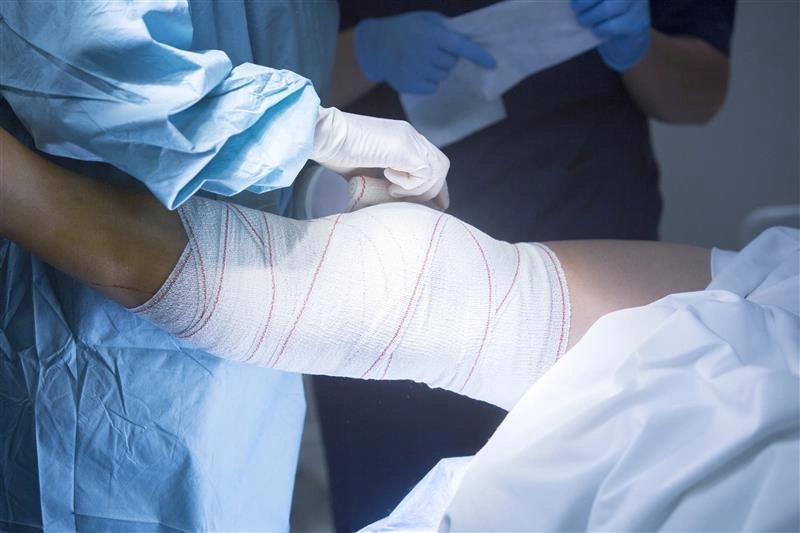
Arthroplasty, commonly called joint replacement is a procedure in which a damaged joint surface is removed and replaced with an artificial implant (prosthesis). Implants are typically made of medical-grade metal, ceramic, and high-strength plastic. The goal is to relieve pain, correct deformity, and restore movement. The most common replacements are of the knee, hip, and shoulder.
Doctors recommend joint replacement when joint damage causes persistent pain, stiffness, or loss of function despite nonsurgical care such as medicines, injections, physiotherapy, bracing, weight management, and activity modification. Typical causes include osteoarthritis, rheumatoid arthritis, avascular necrosis, post-traumatic arthritis, and complex fractures that destroy joint surfaces
After anesthesia, the surgeon removes damaged cartilage and bone, prepares the joint surfaces, and fixes the prosthetic components (cemented or press-fit/cementless). Modern techniques may include minimally invasive approaches, computer/navigation guidance, and patient-specific instrumentation to improve alignment and implant fit.
All surgeries carry risks. Potential complications include infection, blood clots (DVT/PE), bleeding, nerve or vessel injury, stiffness, dislocation (hip/shoulder), implant loosening or wear, leg-length or limb alignment differences, and anesthetic reactions. Your surgical team will discuss prevention and management strategies.
Most patients walk with support the same day or next day. Hospital stay is typically 2–3 days (varies by health status and procedure). Initial recovery for daily activities is often 3–6 weeks with physiotherapy; full recovery and strength can take 3–6 months, and complex/revision cases may take longer (up to 12 months). A structured rehab plan focuses on pain control, wound care, swelling reduction, gait training, and progressive strengthening.
Joint replacement is a safe and effective way to restore movement and relieve chronic joint pain using modern, minimally invasive techniques. These procedures promote faster recovery, less pain, and minimal scarring.
At Shreedhar Ortho Hospital, Dr. Nirmal & his team provide personalized evaluation, precise surgery, and guided rehabilitation to help you return to an active life
Shreedhar Ortho Hospital, 4th floor, Siddhi Vinayak Plaza, opposite Nirant Cross Road Metro Station, Vastral, Ahmedabad, Gujarat 382418
Shreedhar Ortho Hospital is the best choice for Trauma and Orthopaedic care in Ahmedabad. With modern facilities, expert doctors, 24×7 support, and full Mediclaim assistance, we deliver care that exceeds expectations.

Morning: 09:30AM – 12:30PM
Evening: 04:00PM – 07:00PM
Emergency Services 24x7 Hours

4th floor, Siddhi Vinayak Plaza, opposite Nirant Cross Road Metro Station, Vastral, Ahmedabad, Gujarat 382418
© 2025 Shreedhar Ortho Hospital. All rights reserved.